stadium

Exploring the Versatility of Tensile Structures: Where Are They Used?

Tensile structures have revolutionized the way we design and build, offering unparalleled
flexibility, durability, and aesthetic appeal. At Whiteshed Solutions LLP, we specialize in
delivering innovative tensile structure solutions for various industries. In this blog, we’ll
explore the diverse applications of tensile structures and their benefits.

Where Are Tensile Structures Used?

Tensile structures are some of the most exciting architectural designs today. They’re
recognized for their unique aesthetics and innovative use of materials. These structures can
span large areas without support columns, you might be wondering, where are tensile
structures used? Let’s explore their varied applications and see why they are gaining
popularity in modern architecture. Their design often results in open spaces filled with
natural light, which is appealing in many settings.

Stadiums and Sport Venues

One of the most common applications for tensile structures is in stadiums and sports
venues. Iconic stadiums worldwide utilize these designs to cover large areas while retaining
the ability to attract high crowds.
For example: Jawaharlal Nehru Stadium (New Delhi) – features an eye-catching
membranous exterior that changes colors. This flexibility not only enhances the game-day
experience but also serves as an iconic emblem for the team.

Architectural Landmarks

Many architectural landmarks and public buildings utilize tensile structures for their
impressive designs. These structures create an architectural statement while fulfilling the
need for usable space.

A great instance is the Sardar Patel Stadium (Ahmedabad) – Cable-stayed roof with tensile
fabric. Which is composed of a series of connected cables and fabrics. This revolutionary
design showcases the blend of beauty and utility, helping structures stand out while being
functional.

Expo and Event Pavilions

At expos and conventions, architects favor tensile structures for exhibition pavilions. Their
ability to create adaptable and expansive spaces is why many businesses prefer them for
showcasing their products and innovations.

Transportation Hubs

Tensile structures can transform ordinary transportation hubs into architectural marvels.
Airports and train stations enjoy using these designs for their canopies and waiting areas.
Take Indira Gandhi International Airport (New Delhi) as an example. The terminal uses
tensile structures to provide an interactive space, improving both aesthetics and the
traveler experience. The open design enhances natural light and encourages a smoother
flow of passenger traffic.

Outdoor Spaces and Gardens

Many public parks and gardens integrate tensile structures to enhance leisure space. These
canopies offer shade to visitors, improving overall comfort.
Tensile canopies are also common in places like botanical gardens. They provide shelter for
plants and visitors alike, allowing events, concerts, or other activities to occur regardless of
weather conditions.

Shopping Malls and Commercial Spaces

Shopping malls increasingly use tensile structures for their roofing or atriums. The open
geometry promotes an inviting atmosphere and often works with natural light for energy
efficiency.

Many malls combine tensile structures with natural elements like gardens. This modern
fusion creates a delightful shopping experience and refreshes urban areas.

Educational Institutions

Schools and universities use tensile structures prominently on campuses. They not only
provide shaded outdoor classrooms but also serve as areas for relaxation and gathering.

An excellent example is the University of Arkansas’s outdoor spaces, where tensile canopies
create interactive areas. These designs encourage student collaboration while enhancing
the campus’s visual appeal.

Concert Halls and Theaters

In the realm of performing arts, tensile structures play a critical role in shaping concert halls
and amphitheaters. Their flexible designs ensure excellent acoustics and appealing visuals.

For instance, National Centre for the Performing Arts (NCPA), Mumbai features a striking
tensile roof that creates a dramatic atmosphere during performances. Unique designs like
this take the attending experience to a whole new level.

Tensile structures have revolutionized the architectural landscape, offering unparalleled
flexibility, durability, and aesthetic appeal. From iconic stadiums to sleek transportation
hubs, tensile structures have become an integral part of modern infrastructure. At
Whiteshed Solutions LLP, we specialize in designing, engineering, and installing tensile
structures that cater to diverse needs.

Steel Fabrication Structure

World of Tensile Membrane Structures: A Game-Changer in Modern Architecture

In the world of architecture, innovation and sustainability are constantly shaping the built
environment. One such revolutionary concept is tensile membrane structures, which have
transformed the way we design and build. At Whiteshed Solutions LLP, we specialize in delivering
cutting-edge tensile membrane solutions that combine aesthetics, functionality, and durability.

What is Tensile Membrane Structure?

Have you ever been in awe of a beautifully shaped structure that seems to float above its
surroundings? It is a lightweight, flexible, and durable building envelope system made from fabric or
membrane materials, supported by a structural framework, and characterized by its curved or
tensile shape. These structures are designed to withstand various environmental conditions while
providing energy efficiency, sustainability, and aesthetic appeal.

Understanding Tensile Membrane Structures

So, what are tensile membrane structures? They are architectural forms created using a membrane,
typically made of fabric or sometimes materials like ETFE. These membranes are stretched tightly
between support systems such as cables and poles.
This method of construction focuses on tension rather than compression. In simple terms, the fabric
is pulled tight to maintain its shape and integrity. This results in unique, lightweight designs that can
be visually striking.

Common Applications
You’ll find tensile membrane structures in a variety of settings. Here are some common applications:

Sports Venues: Stadiums and arenas often use tensile membranes for their roofs because they can
cover large areas while providing natural light.
Festivals and Events: Tents made from tensile membranes offer great spaces for events, providing
shelter and aesthetic value.
Transportation Hubs: Airports and train stations frequently incorporate these structures in their
design to create spacious and inviting environments.
Commercial Spaces: Shopping centers or commercial complexes leverage these systems to create
attractive entrances or lounge areas.

The Design Process
Whiteshed Solutions LLP Creating a tensile membrane structure involves careful planning and an
innovative design approach. Here are some steps in the typical design process:

  1. Concept Development: Architects sketch initial concepts that respect both client needs and
    structural integrity.
  2. Material Selection: Choosing the right membranes ensures both performance and aesthetics.
  3. Engineering Analysis: Experts perform loading simulations to analyze how forces will act on the
    structure.
  4. Fabrication and Assembly: After finalizing the design, the fabrication of components and final
    assembly takes place.
  5. Installation: The structure is built on-site, making sure it’s tensioned correctly to maintain its
    integrity.

Designing for Challenges
While they offer many benefits, tensile membrane structures come with their own set of challenges:

  1. Wind Loads: These structures can act like sails during high winds. Proper engineering assessments
    are crucial for stability.
  2. Maintenance: Though they are durable, regular inspections and repairs may be necessary to
    extend their lifespan.
  3. Sound Control: Because they are mostly made of flexible materials, complexities may arise
    regarding sound acoustics, particularly in spaces where events are held.

Whiteshed Solutions LLP: You’re Partner in Tensile Membrane Excellence
At Whiteshed Solutions LLP, our team of experts delivers:

  1. Customized design and engineering solutions.
  2. High-quality material selection and procurement.
  3. Efficient installation and project management.
  4. Ongoing maintenance and support.

Real-World Examples
To understand how impactful tensile membrane structures can be, let’s look at a few notable
examples:
DY Patil Stadium (Navi Mumbai) – Tensile roof covering 55,000 sqm.
Chhatrapati Shivaji Maharaj (Mumbai) – International Airport (Mumbai) – Tensile fabric roof.
Lotus Temple (New Delhi) – Tensile membrane dome.
Select Citywalk (New Delhi) – Tensile membrane roof.
Pragati Maidan (New Delhi) – Tensile membrane exhibition halls.
ISKCON Temple (Bangalore) – Tensile fabric roof.

Moving Forward with Awareness
Tensile membrane structures are not just a modern architectural trend; they reflect practicality in
design, cost efficiency, and environmental consciousness. As technology continues to advance, we
can expect even more innovative uses for tensile membrane structures in the future.

Tensile membrane structures are redefining modern architecture, offering unparalleled benefits and
applications. Whiteshed Solutions LLP is committed to pushing the boundaries of innovation,
sustainability, and aesthetics. Contact us today to explore how tensile membrane structures can
transform your next project.

Aerial view of an illuminated event venue at dusk

Exploring the Diverse World of Tensile Structures: Types and Applications

Tensile structures have revolutionized the architectural landscape, offering unparalleled
flexibility, durability, and aesthetic appeal. These innovative structures have become an
integral part of modern infrastructure, from iconic stadiums to sleek transportation hubs. At
Whiteshed Solutions LLP, we specialize in designing, engineering, and installing tensile
structures that cater to diverse needs. In this blog, we’ll delve into the different types of
tensile structures and their applications.

Different Types of Tensile Structures

Tensile structures are beautiful and functional architectural designs that use tension to
support loads. They are often made from fabric or thin plates, giving them a sleek
appearance. If you’re curious about the different types of tensile structure you’ve come to
the right place in this Blog, we’ll explore three main types: membrane structures, cable
structures, and arches. These designs results in lighter, more efficient buildings that can
cover large spans.

1. Membrane Structures

Membrane structures are probably the most recognizable type of tensile structure. Made
typically from fabrics or membranes, these structures are commonly used for outdoor
spaces like stadiums, pavilions, and exhibition centers.

Material Choices: Membrane structures can be made from materials such as PVC, PTFE
(polytetrafluoroethylene), or ETFE (ethylene tetrafluoroethylene).
Span and Shape: These structures can be customized into various shapes, allowing for
complex forms. Examples include fabric canopies, tensioned roof systems, and inflatable
structures.

“Membrane structures inject a vital dose of airiness into urban landscapes. Says –
Whiteshed Solutions LLP

2. Cable Structures

Cable structures are another fascinating type of tensile structure. They primarily differ from
membrane structures by using cables to support their load. This type includes those iconic
bridges with large spans, creating a unique mix of art and engineering.

Material: As the name suggests, cables are usually made from high-strength steel, which
allows them to handle great tensions without stretching.
Shape and Support: Unlike the smooth curves of membrane structures, cable structures
often feature stark lines and angles. They are typically used in tunnels, pedestrian bridges,
and even some stadiums.

Cable structures can hold large loads and cross significant distances. This makes them
popular for both practical and aesthetic designs. Famous examples include the Pragati
Maidan (New Delhi) and the Jawaharlal Nehru Stadium (New Delhi) in Delhi, showcasing
the elegance of a mix of form and function.

Advantages of Cable Structures

High Load Capacity: These structures can handle heavy loads while maintaining lightweight
characteristics.
Versatility: Cable structures can be modified for various applications, from sports venues to
bridges.
Minimal Material Use: Cables allow for a reduced need for bulky support materials.

Limitations of Cable Structures
Maintenance Needs: Cable systems can require regular inspections to prevent failure.
Weather Sensitivity: Extreme weather conditions may affect cables, leading to safety
concerns.

3. Arches and Combinations

Arches involve a somewhat different take on tensile structures. These curved designs exert
compression. However, they can still be combined with tensile elements, creating hybrid
solutions that offer support and elegance.

Material Sources: Common materials include reinforced concrete or steel. They may use
cables to expand span options further.
Applications: Arches are often found in historic and modern buildings, bridges, and sports
venues.

An example is Arch-shaped tensile structure Chennai International Airport (Chennai)
Soaring 170.6 feet into the sky. This magnificent structure beautifully showcases how
tensile and compressive forces can blend harmoniously.

Advantages of Arched Structures

Strength and Resilience: Arches genuinely combine strength and aesthetic appeal.
Wide Open Spaces: They allow for a vast area beneath the arch, making them desirable for
public spaces.

Limitations of Arched Structures

Cost: Creating an arch can be more expensive than other designs.
Complicated Acoustics: The shape can complicate sound, which may be an issue for
performance venues.

Tensile structures have transformed the architectural landscape, offering innovative
solutions for diverse applications. At Whiteshed Solutions LLP, our team of experts is
dedicated to designing, engineering, and installing tensile structures that exceed client
expectations. Whether you’re looking for a iconic stadium or a sleek transportation hub, our
expertise ensures exceptional quality and durability.

Inside view of the conical tensile membrane roof at Hotel Rama International

What Is a Tensile Structure? How It Works, Types and Uses

A tensile structure is a structure that carries its load mainly through tension rather than compression. Instead of heavy beams and slabs pushing down on columns, a flexible membrane or network of cables is pulled taut between masts, frames and anchors, and that tension gives the structure both its shape and its strength. This guide explains how tensile structures work, the main types, where they are used and how a project moves from concept to installation.

What Is a Tensile Structure?

Conventional roofs resist gravity through compression and bending. A tensile structure works the other way: flexible materials such as coated fabric, cables or foil are stretched over a supporting framework of masts, arches or steel frames. Because the material is in tension, it can span large areas with far less weight than a conventional roof, which is why tensile structures are used for everything from small canopies to stadium roofs.

What Is a Tensile Membrane Structure?

A tensile membrane structure is the most common type of tensile structure. It is a lightweight building envelope made from a coated fabric or foil membrane, stretched tightly between supports such as cables, masts and frames, and characterised by its curved, sail-like form. Typical membrane materials include PVC-coated polyester, PTFE-coated glass fibre and ETFE. You will also hear it called a tensile fabric structure; the terms are used interchangeably. Explore our tensile membrane structure services to see how these systems are designed and built for Indian site conditions.

How a Tensile Structure Carries Load

Every tensile structure combines a few core elements that work together:

  • Membrane: the fabric or foil surface that provides cover, shade and weather protection.
  • Cables and edge fittings: steel cables along the edges and within the surface transfer tension to the supports.
  • Masts, arches or frames: the steel structure that holds the high and low points of the membrane.
  • Anchors and foundations: transfer the forces safely into the ground or the host building.

The membrane is pre-tensioned and shaped with double curvature, which is what keeps it stable under wind and rain and what gives tensile structures their characteristic form.

Main Types of Tensile Structures

  • Membrane structures: continuous fabric surfaces, either single-layer (the most common) or double-layer for larger spans and insulation.
  • Cable structures: cable-stayed and cable-net systems in which high-strength steel cables carry the main loads, often over very large spans.
  • Pneumatic (inflatable) structures: air-supported or air-inflated membranes that hold their shape through internal air pressure.

Within these families, projects use specific forms such as conical, hypar, barrel vault, dome and mast-supported shades. Our guide to the 8 types of tensile structures explains each form and how to choose between them.

Tensile Canopy Structures

A tensile canopy is a membrane structure used to cover outdoor spaces such as patios, courtyards, entrances and parking areas. It provides shade and weather protection with a light visual presence, and its size, shape, fabric and colour can be customised to the site. Car parking is one of the most common canopy applications; see our tensile car parking structure buyer’s guide for details.

Where Tensile Structures Are Used

  • Sports and recreation: stadiums, arenas, courts and swimming pools.
  • Transportation: airports, railway stations and bus terminals.
  • Commercial: malls, office campuses, entrances and drop-off points.
  • Industrial: loading bays, storage yards and factory walkways.
  • Residential: car parking, terraces, patios and society common areas.
  • Hospitality and events: resorts, poolside areas, lawns and event venues.

For a closer look at each sector, read where tensile structures are used.

How a Tensile Structure Project Is Designed

  1. Site assessment and concept: the brief, site constraints and design intent are translated into an initial form.
  2. Material selection: fabric, steel sections and coatings are chosen for performance, appearance and budget.
  3. Engineering analysis: form-finding and load analysis check how wind, rain and self-weight act on the structure.
  4. Fabrication: steel is fabricated and coated, and membrane panels are patterned, cut and welded off-site.
  5. Installation and tensioning: the frame is erected and the membrane is tensioned on-site to its design shape.

Design Challenges to Plan For

  • Wind loads: membranes can act like sails in high winds, so engineering for the site’s wind conditions is essential.
  • Drainage: the form must shed rainwater to planned outlets to prevent ponding.
  • Maintenance: periodic inspection of fabric tension, cables and fittings extends service life.
  • Acoustics: in event and performance spaces, the form and fabric affect how sound behaves under the roof.

These considerations are also why the benefits of tensile membrane structures depend on sound engineering and fabric selection.

A WhiteShed Project Example

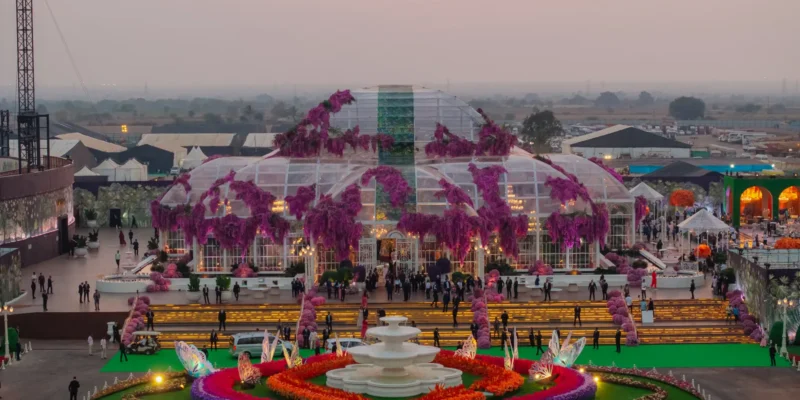
WhiteShed Solutions LLP designed, fabricated and erected the structure for Anant Ambani’s pre-wedding venue in Jamnagar. The project was completed in 25 days and designed for a wind speed of 180 km/h. Read the full project story or explore more of our work.

Planning a tensile structure? Share your drawings or site details with our team for a design feasibility review.

To see how a membrane compares with the alternatives most projects consider, read tensile vs metal sheet vs polycarbonate.

What are the Benefits of Tensile Membrane Shade

Benefits of Tensile Membrane Structures (and What to Plan For)

Tensile membrane structures (often called tensile fabric structures) cover everything from a single car parking bay to a stadium roof. For architects, developers and facility owners, the question is rarely whether they look good. It is whether the benefits hold up once span, site conditions, budget and long-term maintenance are factored in. This guide sets out what a well-engineered tensile membrane structure offers, and what to plan for so those benefits are realised on site.

1. Design Freedom and Architectural Form

Tensioned fabric can be shaped into curved, sail-like and free-form geometries that are difficult to achieve with conventional roofing. Conical, hypar, barrel vault and dome forms each create a different visual identity, and colour, profile and edge detailing can be tailored to the building’s design language. This makes membranes a strong choice for entrance canopies, courtyards, outdoor dining areas, amphitheatres and walkway covers where the structure is meant to be seen, not hidden. Our guide to the types of tensile structures explains which form suits which application.

2. Long, Column-Free Spans

Because the membrane works in tension, it can cover large areas with relatively light supporting steel. Fewer columns mean open, unobstructed space underneath: useful for car parks, sports courts, event lawns and public plazas where circulation and sightlines matter. The achievable span depends on the form, support system and wind loads at the site, so it should be confirmed through structural engineering for each project.

3. Durability and Weather Resistance

Common membrane materials include PVC-coated polyester, PTFE-coated glass fibre and ETFE foil. Architectural-grade fabrics are coated to resist UV degradation, moisture and pollutants, and are selected to suit the rain, wind and sun exposure of the site. Properly tensioned membranes shed water to planned drainage points rather than letting it pond, which is essential in heavy-monsoon regions such as Mumbai. Actual service life varies with fabric grade, coating, exposure and maintenance, so it should be specified per project rather than assumed.

4. Natural Daylight and Energy Savings

Many membranes are translucent, allowing diffused daylight into the covered space. This can reduce the need for artificial lighting during the day and creates a brighter, more comfortable environment than an opaque roof. Light-coloured and reflective fabrics can also limit heat build-up under the canopy. The degree of light transmission and heat reduction depends on the fabric selected, so these properties should be discussed at the design stage.

5. Faster, Cleaner Installation

Steel components and membrane panels are fabricated off-site and assembled on-site. Lightweight materials reduce lifting and labour requirements, and on-site work is shorter than for most conventional roofing. For operating hotels, campuses, societies and commercial buildings, that means less disruption to daily use and a more predictable programme.

6. Cost-Effectiveness Across the Life of the Structure

Lighter steel, shorter installation time and lower transport costs often make tensile structures economical compared with conventional roofing of a similar span. The more useful comparison, however, is lifecycle value: fabric grade, steel coating, drainage and maintenance all influence long-term cost. Our tensile structure cost guide for Mumbai explains what drives pricing and how to compare quotations fairly.

7. Low Maintenance

Architectural membranes are treated to resist mould, mildew and dirt pick-up, and coated steel resists corrosion. Routine cleaning and periodic inspection of fabric tension, fittings and drainage are usually enough to keep the structure performing and looking as intended.

8. Flexibility and Adaptability

Modular tensile systems can be extended or reconfigured as needs change. A car parking shade can grow bay by bay, and an outdoor dining canopy can be expanded to cover additional seating. This adaptability keeps the structure useful as a site evolves.

9. Acoustic Comfort

Membrane materials can absorb and diffuse sound, and a fabric roof is quieter in rain than a metal sheet roof. For performance venues and event spaces, acoustic behaviour should be considered early, because the form and fabric both affect how sound travels under the canopy.

10. Sustainability

Lightweight structures use less material than conventional roofs of a similar span, daylighting reduces energy use, and many membrane materials can be recycled at the end of their life, depending on the type. For projects pursuing green building goals, fabric selection is the main lever.

What to Plan For

The benefits above depend on getting a few fundamentals right. These are the points we review with project teams before fabrication begins:

  • Wind loads: membranes behave like sails in high winds, so form, anchorage and connections must be engineered for the site.
  • Drainage: the geometry must direct rainwater to planned outlets to avoid ponding and sagging.
  • Fabric selection: PVC, PVDF-coated PVC, PTFE and ETFE differ in cost, light transmission, fire performance and lifespan.
  • Inspection and re-tensioning: periodic checks keep the membrane taut and the fittings secure.
  • Approvals: terrace and society installations may need permissions, which remain the owner’s responsibility.

How WhiteShed Solutions Supports Your Project

WhiteShed Solutions LLP handles design development, structural engineering, fabrication and installation of tensile membrane structures. For Hotel Rama International (ITC Group), Aurangabad, we delivered a conical tensile membrane structure of approximately 10,600 sq ft using 1050 GSM PVDF-coated fabric. See the Hotel Rama project or browse our completed works.

FAQs

Are tensile membrane and tensile fabric structures the same thing? Yes. Both terms describe structures where a coated fabric or foil is held in tension by cables, masts or frames. “Membrane” is the more technical term; “fabric” is common in everyday use.

How long does a tensile membrane last? It depends on the fabric type, coating, UV exposure and maintenance. Service life should be confirmed against the specified fabric for each project.

Do tensile structures work in the Mumbai monsoon? Yes, when they are engineered with appropriate drainage, fabric selection and wind load design for the specific site.

Planning a covered space? Share your drawings or site details with our team for a design feasibility review.

For a direct comparison against the other common roofing materials, see tensile vs metal sheet vs polycarbonate.

What Are The Advantages of Using Tensile Fabric Structures?

What Are The Advantages of Using Tensile Fabric Structures?

Tensile fabric structures have become increasingly popular in various architectural and design projects due to their versatility, aesthetic appeal, and numerous functional benefits. These structures, characterized by their lightweight yet durable materials, can be found in diverse settings, from outdoor dining canopies to expansive stadium roofs. In this article, we will explore the advantages of using tensile fabric structures, particularly focusing on their applications, benefits, and why they are a preferred choice for many architects and designers. When considering the installation of these structures, Whiteshed Solutions LLP stands out as a premier tensile structures manufacturer and supplier in Mumbai, offering expertise and quality materials for all your needs.

Versatility in Design

One of the most significant advantages of tensile fabric structures is their versatility in design. These structures can be molded into various shapes and sizes, providing architects with the freedom to create innovative and eye-catching designs. Unlike traditional building materials, tensile fabrics allow for the creation of organic, free-form shapes that can complement any environment. This flexibility makes them ideal for a wide range of applications, including outdoor dining canopies, exhibition spaces, sports arenas, and more.

Durability and Strength

Despite their lightweight nature, tensile fabric structures are incredibly durable and strong. The materials used, such as PVC-coated polyester, PTFE-coated fiberglass, and ETFE, are designed to withstand harsh weather conditions, including heavy rain, strong winds, and even snow loads. This durability ensures that the structures remain intact and functional for many years, providing a long-term solution for various architectural needs.

Energy Efficiency

Tensile fabric structures offer excellent energy efficiency, making them an environmentally friendly choice. The materials used in these structures are often translucent, allowing natural light to penetrate the space underneath. This reduces the need for artificial lighting during the day, leading to significant energy savings. Additionally, the reflective properties of some tensile fabrics can help in maintaining cooler temperatures inside the structure, reducing the reliance on air conditioning and further conserving energy.

Quick and Cost-Effective Installation

Installing tensile fabric structures is generally quicker and more cost-effective compared to traditional construction methods. The lightweight nature of the materials means that less time and labor are required for installation. Additionally, the prefabrication of tensile membranes off-site allows for faster assembly on-site, minimizing disruption and reducing overall project timelines. Whiteshed Solutions LLP, renowned for their expertise in manufacturing and supplying tensile structures in Mumbai, ensures a seamless installation process, providing clients with efficient and high-quality solutions.

Aesthetic Appeal

The aesthetic appeal of tensile fabric structures cannot be overstated. These structures offer a modern and sleek appearance that can enhance the visual appeal of any space. The ability to customize colors, shapes, and patterns allows for the creation of unique and attractive designs that stand out. Whether used as outdoor dining canopies, amphitheater roofs, or walkway covers, tensile fabric structures add a touch of elegance and sophistication to the built environment.

Flexibility and Adaptability

Tensile fabric structures are highly adaptable and can be easily modified or expanded as needed. This flexibility is particularly beneficial for spaces that require frequent changes or upgrades. For instance, outdoor dining canopies made from tensile fabric can be reconfigured to accommodate different seating arrangements or expanded to cover larger areas during events. This adaptability ensures that the structures remain functional and relevant over time, providing a cost-effective solution for changing needs.

Sustainability

Sustainability is a crucial consideration in modern construction, and tensile fabric structures excel in this regard. The materials used are often recyclable, reducing the environmental impact at the end of their lifespan. Additionally, the energy efficiency and reduced need for artificial lighting and cooling contribute to a lower carbon footprint. Choosing tensile fabric structures from reputable manufacturers like Whiteshed Solutions LLP ensures that you are investing in sustainable and eco-friendly solutions for your projects.

Weather Resistance

Tensile fabric structures are designed to be weather-resistant, offering protection from various environmental elements. The materials used are treated to resist UV rays, preventing degradation and color fading over time. This weather resistance ensures that the structures maintain their appearance and functionality, providing reliable shelter and protection in all weather conditions. Whether used for outdoor dining canopies or other applications, tensile fabric structures offer a durable and resilient solution.

Minimal Maintenance

One of the practical advantages of tensile fabric structures is their minimal maintenance requirements. The materials used are resistant to mold, mildew, and corrosion, reducing the need for frequent cleaning and upkeep. This low-maintenance characteristic makes tensile fabric structures a cost-effective option for long-term use, saving time and resources on maintenance activities.

Enhanced Acoustic Properties

Tensile fabric structures can also enhance the acoustic properties of a space. The materials used can absorb sound, reducing noise levels and creating a more comfortable environment. This is particularly beneficial in applications such as amphitheaters, concert venues, and outdoor dining areas, where controlling noise levels is essential for creating an enjoyable experience.

Tensile fabric structures offer a wide range of advantages, making them an ideal choice for various architectural and design projects. Their versatility in design, durability, energy efficiency, quick installation, aesthetic appeal, flexibility, sustainability, weather resistance, minimal maintenance, and enhanced acoustic properties make them a preferred option for many applications. When considering the installation of these structures, Whiteshed Solutions LLP stands out as a premier tensile structures manufacturer and supplier in Mumbai, providing expert solutions and high-quality materials. Whether you are looking to create outdoor dining canopies, exhibition spaces, or any other architectural marvel, tensile fabric structures offer a reliable, efficient, and aesthetically pleasing solution.

By choosing to install tensile fabric structures, you are investing in a modern, sustainable, and versatile architectural solution that meets the needs of various environments while enhancing the overall visual appeal and functionality of the space.

Tensile Structures

Sustainable Design Options for Tensile Structures: How to Reduce Your Environmental Impact

As environmental concerns become increasingly prominent, industries are adopting sustainable practices to minimize their impact on the planet. The construction and architecture sectors are no exceptions. Tensile structures, known for their flexibility, aesthetic appeal, and efficient use of materials, are a popular choice in modern architecture. However, the question arises: Are tensile structures sustainable? This article explores sustainable design options for tensile structures and offers practical solutions to reduce their environmental impact. Whiteshed Solutions LLP, a renowned Top Tensile Structure Manufacturer in Mumbai, provides insight into the advancements and practices in this field.

Understanding Tensile Structures

Tensile structures are characterized by their lightweight and durable design, often used for large-span roofing systems. These structures rely on tension rather than compression to maintain their shape and stability, which allows for creative and flexible architectural designs. Common applications include stadiums, exhibition halls, and outdoor dining canopies. But how do these structures measure up in terms of sustainability?

Are Tensile Structures Sustainable?

The sustainability of tensile structures depends on several factors, including the choice of materials, the design process, and the lifecycle of the structure. Here are some critical aspects to consider:

  1. Material Selection: The materials used in tensile structures play a significant role in their environmental impact. Traditional materials like PVC (Polyvinyl Chloride) can have harmful effects due to their production processes and eventual disposal. However, alternative materials such as ETFE (Ethylene Tetrafluoroethylene) and PTFE (Polytetrafluoroethylene) offer more sustainable options. These materials are lightweight, have a longer lifespan, and are recyclable.
  2. Energy Efficiency: Tensile structures are known for their ability to cover large spaces with minimal material. This inherently reduces the carbon footprint associated with material production and transportation. Additionally, the translucent nature of some tensile materials, like ETFE, allows for natural light penetration, reducing the need for artificial lighting and thus lowering energy consumption.
  3. Recyclability and Reusability: One of the most significant advantages of tensile structures is their potential for recyclability and reusability. When designed with dismantling in mind, these structures can be repurposed or recycled, reducing waste and the demand for new materials. Whiteshed Solutions LLP emphasizes the importance of considering the entire lifecycle of the structure to maximize sustainability.

Sustainable Design Options

To achieve sustainable tensile structures, several design options and practices can be implemented:

  1. Eco-friendly Materials: As mentioned earlier, opting for materials like ETFE and PTFE can significantly reduce the environmental impact. These materials are not only durable and recyclable but also require less maintenance, which further lowers their ecological footprint.
  2. Efficient Design: Employing advanced computational design tools allows architects and engineers to optimize the structure, minimizing material use while maximizing performance. This approach not only reduces waste but also enhances the overall efficiency of the structure.
  3. Green Roofing Systems: Integrating green roofing systems with tensile structures can enhance their sustainability. Green roofs help in insulating the building, reducing energy consumption for heating and cooling, and contribute to urban biodiversity. They also improve air quality and manage stormwater runoff.
  4. Solar Integration: Tensile structures can be designed to incorporate solar panels, leveraging the expansive surface area for energy generation. This integration not only provides a renewable energy source but also adds to the overall sustainability of the building.
  5. Local Sourcing: To further reduce the carbon footprint, materials and labor should be sourced locally whenever possible. This practice minimizes transportation emissions and supports the local economy.

Case Studies of Sustainable Tensile Structures

Several projects around the world exemplify the successful implementation of sustainable design in tensile structures. Here, we highlight the work of Whiteshed Solutions LLP:

  1. Hotel Rama International (ITC Group), Aurangabad: Whiteshed Solutions LLP designed and installed tensile structures at this prestigious hotel, incorporating eco-friendly materials and efficient design practices. The structures provide shaded outdoor spaces while allowing natural light to filter through, reducing the need for artificial lighting.
  2. Jindal Maharashtra Seamless: This project showcases the innovative solutions offered by Whiteshed Solutions LLP. The tensile structures used in this facility are made from recyclable materials and designed for maximum durability and minimal maintenance. The integration of these sustainable practices ensures a reduced environmental impact and long-term benefits for the client.

The Role of Innovation in Sustainable Design

Innovation plays a crucial role in advancing the sustainability of tensile structures. Research and development in new materials, construction techniques, and design software are essential for pushing the boundaries of what is possible. Whiteshed Solutions LLP is committed to staying at the cutting edge of these innovations, ensuring that their clients receive the most sustainable solutions available.

Tensile structures offer a versatile and efficient solution for modern architecture. By adopting sustainable design options such as eco-friendly materials, efficient design, green roofing systems, solar integration, and local sourcing, the environmental impact of these structures can be significantly reduced. The question Are tensile structures sustainable? can be answered affirmatively when these practices are implemented effectively.

As Whiteshed Solutions LLP, premier Tensile Structures Manufacturers & Suppliers in Mumbai, demonstrates, it is possible to create stunning, functional, and environmentally responsible tensile structures. Through continued innovation and commitment to sustainability, the construction industry can make a substantial positive impact on the planet.

For those considering tensile structures for their projects, incorporating these sustainable design options not only benefits the environment but also enhances the longevity and performance of the structures themselves. By making informed choices, we can all contribute to a more sustainable future.